

-
2026-08-12 2026-08-12
What role do the imported surfactants play in improving the wetting and cleaning efficiency of the degreaser?
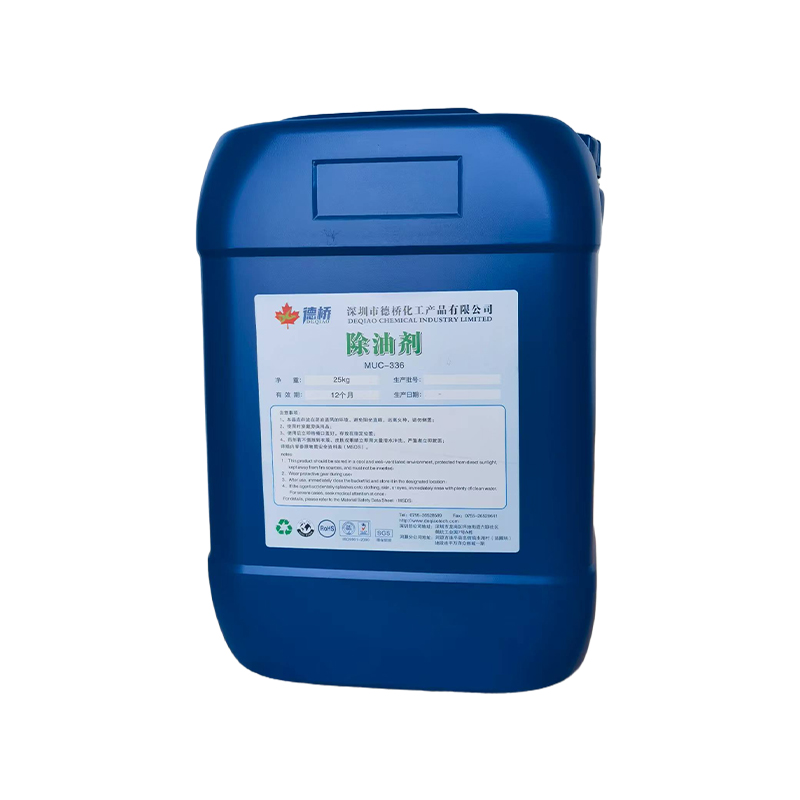
The formulation of an advanced degreaser for magnesium alloy metal surface treatment relies heavily on the synergistic action of organic acids and specialized chemical additives. -
2026-08-06 2026-08-06
What advantages make the magnesium alloy activator a highly efficient solution for metal surface treatment?
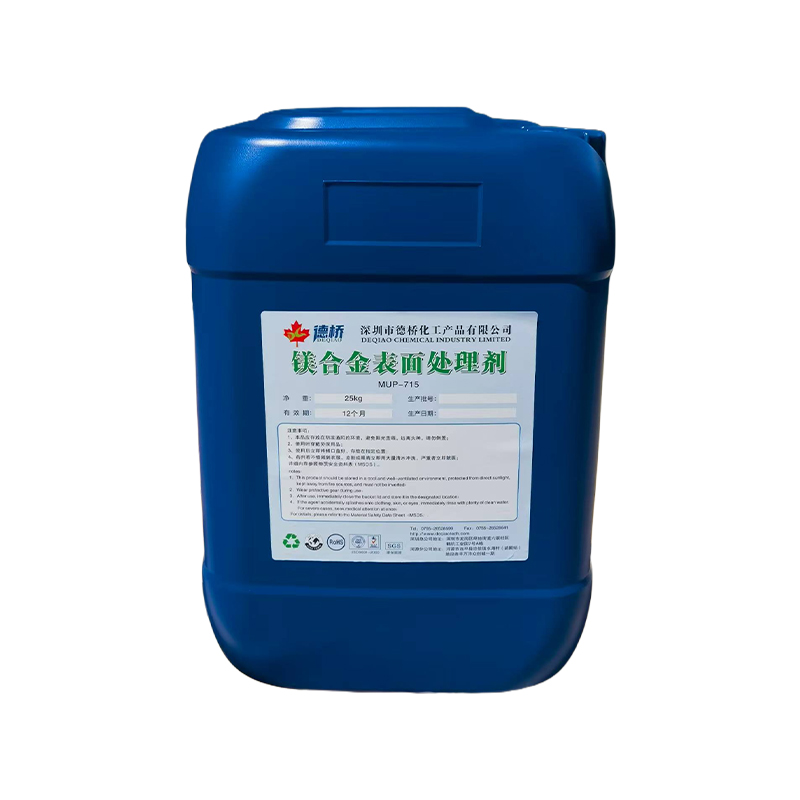
As the modern manufacturing industry evolves, magnesium alloys are finding widespread application across various industrial sectors due to their lightweight nature and high-performance characteristics. -
2026-07-23 2026-07-23
How does Six-In-One Leather Wax improve the efficiency of pre-painting treatment for steel parts through its six-in-one process?
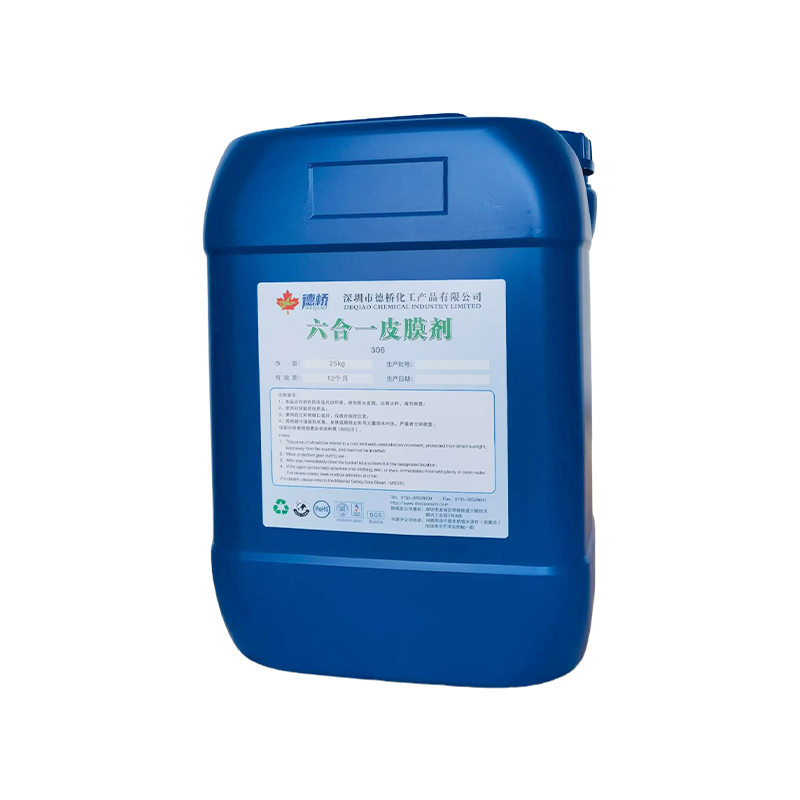
Six-In-One Leather Wax integrates multiple processing functions into a single process flow, completing pre-painting treatment in a shorter time, significantly improving production efficiency and providing a more efficient and stable solution for steel par -
2026-07-20 2026-07-20
With die-cast aluminum becoming more prevalent in automotive lightweighting, how does the Trivalent Chromium Passivating Agent improve corrosion resistance while maintaining superior adhesion for subs
Die-cast aluminum components have emerged as the material of choice for critical structural and functional parts, such as engine mounts, transmission housings, and electric vehicle battery enclosures. However, the inherent porosity and high silicon conten -
2026-07-09 2026-07-09
How are trivalent chromium passivating agents driving a green revolution in aluminum alloy surface treatment?
In modern industrial manufacturing, aluminum alloys are widely used across diverse sectors—including automotive parts, electronic instruments, home appliances, communication equipment, and sports gear—thanks to their excellent properties, such as being li -
2026-06-24 2026-06-24
Is a chromium-free passivator environmentally friendly?
A chromium-free passivator is definitively recognized as an environmentally friendly solution, representing a significant and necessary advancement in modern metal surface treatment technologies. Traditional passivation processes have long relied on hexav