


How can adjusting the composition of a magnesium alloy activator reduce the porosity of the subsequent electroplating layer and improve its adhesion?
Release Time : 2026-04-27
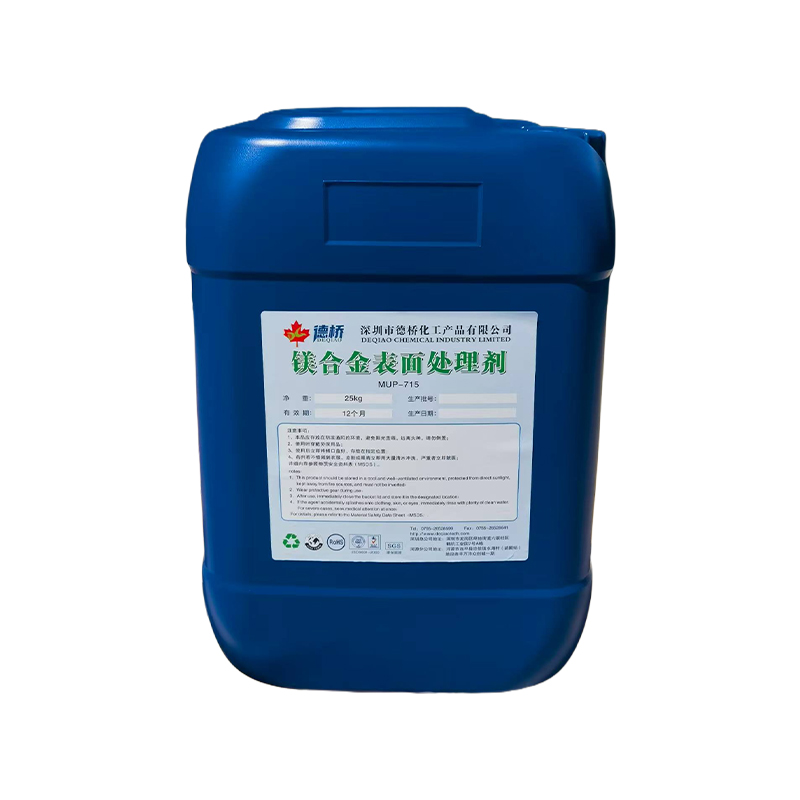
Adjusting the composition of the magnesium alloy activator is a crucial step in optimizing the quality of subsequent electroplating layers. Its core objective is to reduce plating porosity and enhance adhesion by precisely controlling the composition and structure of the activated film. The main components of the activator typically include acidic fluorides, phosphates, organic acids, and corrosion inhibitors. The synergistic effect of these components directly impacts the removal efficiency of the oxide film on the magnesium alloy surface and the quality of the activated film formation.
Acidic fluorides are the core component of the activator. Their role is to react with the magnesium oxide on the magnesium alloy surface to form a dense magnesium fluoride protective film. This film not only effectively prevents further oxidation of the substrate but also provides a uniform active surface for subsequent electroplating. If the fluoride concentration is insufficient, the oxide film will not be completely removed, and residual corrosion products will lead to increased plating porosity. If the concentration is too high, the resulting magnesium fluoride film will be too thick, hindering direct contact between the electroplating solution and the substrate, thus reducing plating adhesion. Therefore, it is necessary to optimize the fluoride concentration range experimentally to ensure both thorough oxide film removal and the formation of a protective film of appropriate thickness.
Phosphate primarily functions as a complexing agent in activators, forming soluble complexes with magnesium ions to aid in the dissolution of the oxide film by acidic fluorides. Simultaneously, phosphate forms a microporous hydroxide film on the magnesium alloy surface. This structure helps increase surface roughness, enhancing the mechanical interlocking between the electroplated layer and the substrate, thereby strengthening adhesion. However, excessively high phosphate concentrations can lead to an overly dense activated film, reducing the exposed substrate area and affecting the deposition effect of zinc immersion or electroplating. Therefore, the ratio of phosphate to fluoride must be balanced to obtain the ideal activated film structure.
The addition of organic acids can further adjust the pH of the activation solution and enhance its dissolution capacity for the oxide film. Weak organic acids such as citric acid and tartaric acid can form stable complexes with magnesium ions, promoting uniform removal of the oxide film while preventing localized over-corrosion. Furthermore, organic acids can form an organic protective film during activation, reducing the risk of hydrogen embrittlement and improving the toughness of the coating. However, the concentration of organic acids must be strictly controlled; excessive amounts may increase the viscosity of the activation solution, affecting the uniformity of the activated film.
Corrosion inhibitors are indispensable auxiliary components in activators, their function being to suppress excessive corrosion of the magnesium alloy substrate during the activation process. Organic amines and imidazoline-based corrosion inhibitors can form an adsorption film on the substrate surface, preventing direct contact between the acidic medium and the substrate, thus protecting the substrate from damage. The amount of corrosion inhibitor added needs to be adjusted according to the acidity of the activation solution and the treatment time to ensure effective removal of the oxide film while minimizing substrate corrosion.
Adjusting the activator composition also requires consideration of the characteristics of different magnesium alloy grades. For example, AZ series magnesium alloys have a high aluminum content, easily forming a dense alumina film on the surface; therefore, the concentration of fluoride needs to be appropriately increased to enhance dissolution capacity. AM series magnesium alloys, on the other hand, have a high manganese content, resulting in a looser surface oxide film; therefore, the phosphate concentration can be reduced to avoid an excessively thick activation film. By specifically adjusting the activator composition, uniform activation of different magnesium alloy grades can be achieved, improving the universality of subsequent electroplating.
The surface condition after activation directly affects the quality of the electroplated layer. An ideal activated surface should exhibit a uniform, light grayish-white metallic luster, free from localized over-corrosion or residual oxide film. Insufficient activation will leave an oxide scale on the surface, making it prone to porosity during electroplating; excessive activation will result in excessive surface roughness, leading to uneven coating thickness and reduced adhesion. Therefore, precise control of the activated surface is necessary by regulating the activator composition and process parameters.
Adjusting the composition of the magnesium alloy activator requires comprehensive consideration of the synergistic effects of fluorides, phosphates, organic acids, and corrosion inhibitors. By optimizing the concentration and ratio of each component, a uniform, dense, and moderately rough activated film can be formed. This process not only effectively reduces the porosity of the subsequent electroplated layer but also significantly improves the adhesion between the coating and the substrate, providing a reliable guarantee for high-quality electroplating of magnesium alloys.