


How does a silane agent build a stable interfacial chemical bond structure between cold-rolled steel sheet and organic coating?
Release Time : 2026-06-10
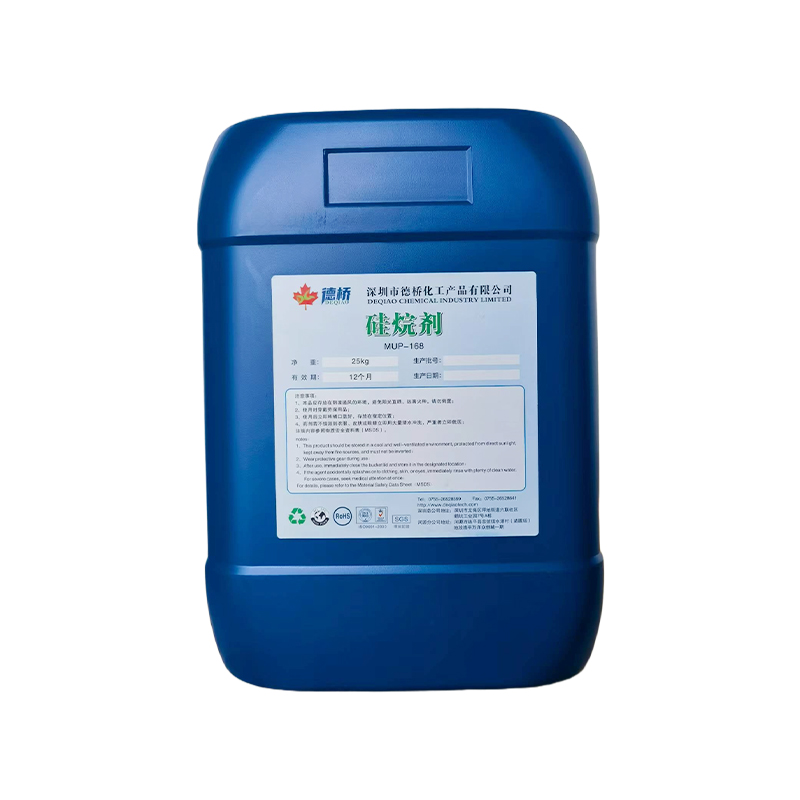
The application of silane agents between cold-rolled steel sheet and organic coatings essentially utilizes an "inorganic-organic bridging effect" to build a stable interfacial chemical bond structure, thereby significantly improving coating adhesion and durability. While cold-rolled steel sheet surfaces possess a certain degree of metallic activity, they easily form an oxide layer in air, and their low surface energy makes direct application of organic coatings prone to problems such as insufficient adhesion, blistering, or peeling.
1. Formation of Active Silane Group Structures through Hydrolysis Reaction
Silane agents typically exist as organosilicon compounds containing alkoxy groups. Under the influence of water or moisture, they undergo a hydrolysis reaction to generate highly active silane groups. This process transforms the originally relatively inert silane molecules into active structures capable of participating in interfacial reactions. On the surface of cold-rolled steel sheet, the silane groups can undergo condensation reactions with the hydroxyl groups or oxide layer on the metal surface to form stable Si–O–Fe chemical bonds. This chemical bond differs from simple physical adsorption; its binding energy is higher, enabling the formation of a stable inorganic bonding layer at the interface, thus significantly improving the adhesion stability of the underlying layer.
2. Constructing an Organic-Compatible Molecular Bridging Structure
Silane agent molecules typically possess both inorganic reactive ends and organic functional ends, allowing them to form a "molecular bridge" between the metal and the organic coating. After chemically bonding with the steel surface, the organic functional groups can react with or strongly interact with the resin components in the subsequent coating. This bifunctional structure transforms the interface from a single physical contact surface into a continuous chemical transition layer, effectively reducing the interfacial energy difference, improving the wettability and spreadability of the coating on the metal surface, and thus enhancing the overall bonding strength.
3. Forming a Dense and Uniform Interface-Modified Film
During the actual processing, the silane agent forms an extremely thin and uniform nanoscale film on the steel surface. This film not only possesses excellent density but also effectively isolates the metal substrate from moisture and oxygen corrosion, thus providing a certain degree of corrosion protection. Meanwhile, due to the extremely thin thickness of the silane film, it does not significantly alter the original surface morphology and metallic luster of the cold-rolled steel sheet, allowing it to achieve superior interfacial performance while maintaining appearance quality, providing an ideal bonding foundation for subsequent coatings.
4. Enhanced Interfacial Stability in Long-Term Service Environments
In complex environments such as humid heat, salt spray, or temperature cycling, traditional physical adhesion interfaces are prone to failure due to moisture penetration, while the chemically bonded structure formed by the silane agent exhibits stronger stability. The synergistic effect of Si–O–Fe bonds and organic segments makes the interface less prone to hydrolysis or delamination during long-term service. The silane agent not only improves initial adhesion but, more importantly, significantly enhances the long-term durability of the coating system, enabling cold-rolled steel sheets to exhibit more reliable overall performance in industrial coatings, anti-corrosion coatings, and functional coating applications.
Through multiple mechanisms such as hydrolytic activation, chemical bonding, molecular bridging, and interfacial film construction, the silane agent can establish a stable interfacial chemical bond structure between the cold-rolled steel sheet and the organic coating, thereby achieving a dual improvement in adhesion and durability.
1. Formation of Active Silane Group Structures through Hydrolysis Reaction
Silane agents typically exist as organosilicon compounds containing alkoxy groups. Under the influence of water or moisture, they undergo a hydrolysis reaction to generate highly active silane groups. This process transforms the originally relatively inert silane molecules into active structures capable of participating in interfacial reactions. On the surface of cold-rolled steel sheet, the silane groups can undergo condensation reactions with the hydroxyl groups or oxide layer on the metal surface to form stable Si–O–Fe chemical bonds. This chemical bond differs from simple physical adsorption; its binding energy is higher, enabling the formation of a stable inorganic bonding layer at the interface, thus significantly improving the adhesion stability of the underlying layer.
2. Constructing an Organic-Compatible Molecular Bridging Structure
Silane agent molecules typically possess both inorganic reactive ends and organic functional ends, allowing them to form a "molecular bridge" between the metal and the organic coating. After chemically bonding with the steel surface, the organic functional groups can react with or strongly interact with the resin components in the subsequent coating. This bifunctional structure transforms the interface from a single physical contact surface into a continuous chemical transition layer, effectively reducing the interfacial energy difference, improving the wettability and spreadability of the coating on the metal surface, and thus enhancing the overall bonding strength.
3. Forming a Dense and Uniform Interface-Modified Film
During the actual processing, the silane agent forms an extremely thin and uniform nanoscale film on the steel surface. This film not only possesses excellent density but also effectively isolates the metal substrate from moisture and oxygen corrosion, thus providing a certain degree of corrosion protection. Meanwhile, due to the extremely thin thickness of the silane film, it does not significantly alter the original surface morphology and metallic luster of the cold-rolled steel sheet, allowing it to achieve superior interfacial performance while maintaining appearance quality, providing an ideal bonding foundation for subsequent coatings.
4. Enhanced Interfacial Stability in Long-Term Service Environments
In complex environments such as humid heat, salt spray, or temperature cycling, traditional physical adhesion interfaces are prone to failure due to moisture penetration, while the chemically bonded structure formed by the silane agent exhibits stronger stability. The synergistic effect of Si–O–Fe bonds and organic segments makes the interface less prone to hydrolysis or delamination during long-term service. The silane agent not only improves initial adhesion but, more importantly, significantly enhances the long-term durability of the coating system, enabling cold-rolled steel sheets to exhibit more reliable overall performance in industrial coatings, anti-corrosion coatings, and functional coating applications.
Through multiple mechanisms such as hydrolytic activation, chemical bonding, molecular bridging, and interfacial film construction, the silane agent can establish a stable interfacial chemical bond structure between the cold-rolled steel sheet and the organic coating, thereby achieving a dual improvement in adhesion and durability.