
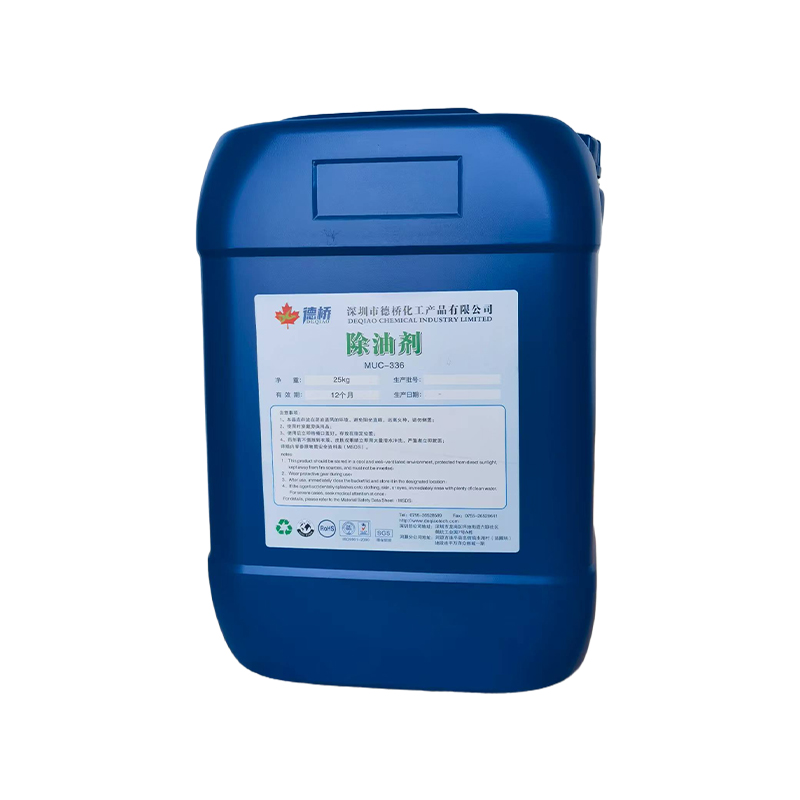
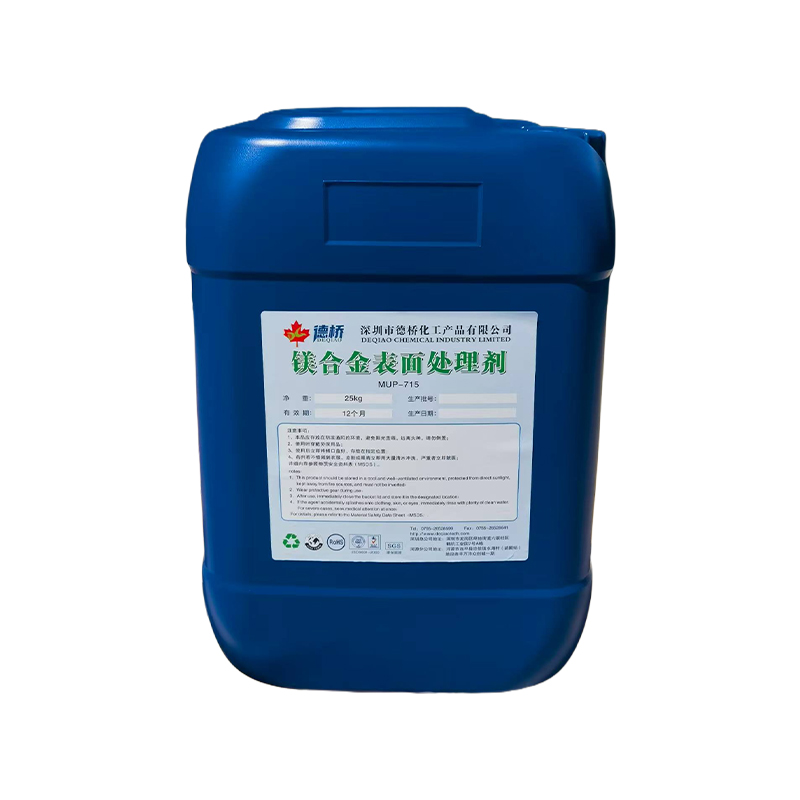


Why can a degreaser specifically designed for magnesium alloys effectively degrease without corroding the active metal substrate?
Release Time : 2026-01-06
In modern precision manufacturing, magnesium alloys are widely used in high-end industries such as aerospace, 3C electronics, and automotive parts due to their lightweight and high strength. However, this metal is chemically extremely reactive, readily reacting with cutting fluids, lubricating oils, hand sweat, and moisture in the air during processing. The surface not only becomes stained with oil but also often forms a grayish-black oxide film or salt residue. Improper cleaning can, at best, affect the adhesion of subsequent spraying or electroplating, and at worst, cause pitting corrosion, intergranular corrosion, or even structural failure. Therefore, general-purpose degreasers are often inadequate, while a degreaser specifically developed for magnesium alloys can effectively clean while gently protecting its delicate surface—this is the result of a deep dialogue between formulation science and material properties.
The key lies in a precise understanding and respect for the "highly reactive" nature of magnesium alloys. Magnesium has an extremely low standard electrode potential, readily precipitates hydrogen upon contact with water, reacts rapidly with acids, and may form loose hydroxides upon contact with strong alkalis. Traditional cleaning agents, primarily composed of strong alkalis or inorganic acids, while effective at removing grease, can severely corrode the magnesium substrate, leading to surface darkening, weight loss, and even perforation. Degreaser, however, abandons this harsh approach, instead employing a composite system of various organic acids and high-performance imported surfactants. Organic acids (such as citric acid, lactic acid, or aminocarboxylic acids) are mild, effectively chelating metal ions and dissolving grease films and inorganic salt deposits without triggering violent hydrogen evolution reactions. Simultaneously, their molecular structure allows them to adsorb onto the metal surface, forming a temporary protective layer that inhibits further corrosion.
Meanwhile, surfactants act as "intelligent transporters." With both oleophilic and hydrophilic groups, they can quickly penetrate to the interface between oil and metal, reducing interfacial tension and emulsifying, dispersing, and stripping the grease from the surface. High-end formulations often include nonionic or amphoteric surfactants, which not only provide strong detergency but also offer controllable foaming and easy rinsing, preventing residue from affecting subsequent processes. More importantly, the adsorption film formed by these surfactants on the magnesium alloy surface also provides a degree of corrosion inhibition, further enhancing material stability.
Furthermore, the overall pH value of the formula is carefully controlled within the slightly acidic to neutral range, away from the areas of severe corrosion found in magnesium alloys. In this environment, the degreaser can both activate the optimal effectiveness of organic acids and surfactants while ensuring the magnesium surface remains relatively passive. Combined with stabilizers, corrosion inhibitors, and other auxiliary ingredients, the working solution maintains a balanced composition during use, preventing damage to the substrate due to excessively high local concentrations or the accumulation of side reactions, even after prolonged immersion or recycling.
More importantly, these specialized degreasers typically do not contain harmful substances such as heavy metals, phosphorus, and nitrites, complying with stringent environmental regulations such as EU RoHS and REACH. This not only reduces the difficulty of wastewater treatment and the compliance risks for enterprises but also demonstrates a responsible attitude towards the health of operators and the environment. Its non-flammable and non-explosive properties further ensure safe operation on-site.
Ultimately, this "combination of strength and gentleness" cleaning logic achieves a delicate balance between cleaning power and protection: oil, ash film, and processing residue are thoroughly removed, exposing a clean, activated magnesium alloy surface, laying a solid foundation for subsequent conversion coating treatments, spraying, or bonding; while the metal itself remains undamaged, maintaining its original mechanical properties and microscopic integrity.
In summary, the ability of degreaser, specifically designed for magnesium alloys, to achieve high efficiency without damaging the substrate is not accidental, but rather based on a profound understanding of the chemical behavior of materials, achieved through the synergistic innovation of gentle active ingredients, intelligent surface action, and systematic formulation engineering. It does not rely on powerful erosion, but rather fulfills its mission with precision, restraint, and wisdom—just like the most skilled craftsman who understands how to remove impurities while cherishing the essence of the material itself.
The key lies in a precise understanding and respect for the "highly reactive" nature of magnesium alloys. Magnesium has an extremely low standard electrode potential, readily precipitates hydrogen upon contact with water, reacts rapidly with acids, and may form loose hydroxides upon contact with strong alkalis. Traditional cleaning agents, primarily composed of strong alkalis or inorganic acids, while effective at removing grease, can severely corrode the magnesium substrate, leading to surface darkening, weight loss, and even perforation. Degreaser, however, abandons this harsh approach, instead employing a composite system of various organic acids and high-performance imported surfactants. Organic acids (such as citric acid, lactic acid, or aminocarboxylic acids) are mild, effectively chelating metal ions and dissolving grease films and inorganic salt deposits without triggering violent hydrogen evolution reactions. Simultaneously, their molecular structure allows them to adsorb onto the metal surface, forming a temporary protective layer that inhibits further corrosion.
Meanwhile, surfactants act as "intelligent transporters." With both oleophilic and hydrophilic groups, they can quickly penetrate to the interface between oil and metal, reducing interfacial tension and emulsifying, dispersing, and stripping the grease from the surface. High-end formulations often include nonionic or amphoteric surfactants, which not only provide strong detergency but also offer controllable foaming and easy rinsing, preventing residue from affecting subsequent processes. More importantly, the adsorption film formed by these surfactants on the magnesium alloy surface also provides a degree of corrosion inhibition, further enhancing material stability.
Furthermore, the overall pH value of the formula is carefully controlled within the slightly acidic to neutral range, away from the areas of severe corrosion found in magnesium alloys. In this environment, the degreaser can both activate the optimal effectiveness of organic acids and surfactants while ensuring the magnesium surface remains relatively passive. Combined with stabilizers, corrosion inhibitors, and other auxiliary ingredients, the working solution maintains a balanced composition during use, preventing damage to the substrate due to excessively high local concentrations or the accumulation of side reactions, even after prolonged immersion or recycling.
More importantly, these specialized degreasers typically do not contain harmful substances such as heavy metals, phosphorus, and nitrites, complying with stringent environmental regulations such as EU RoHS and REACH. This not only reduces the difficulty of wastewater treatment and the compliance risks for enterprises but also demonstrates a responsible attitude towards the health of operators and the environment. Its non-flammable and non-explosive properties further ensure safe operation on-site.
Ultimately, this "combination of strength and gentleness" cleaning logic achieves a delicate balance between cleaning power and protection: oil, ash film, and processing residue are thoroughly removed, exposing a clean, activated magnesium alloy surface, laying a solid foundation for subsequent conversion coating treatments, spraying, or bonding; while the metal itself remains undamaged, maintaining its original mechanical properties and microscopic integrity.
In summary, the ability of degreaser, specifically designed for magnesium alloys, to achieve high efficiency without damaging the substrate is not accidental, but rather based on a profound understanding of the chemical behavior of materials, achieved through the synergistic innovation of gentle active ingredients, intelligent surface action, and systematic formulation engineering. It does not rely on powerful erosion, but rather fulfills its mission with precision, restraint, and wisdom—just like the most skilled craftsman who understands how to remove impurities while cherishing the essence of the material itself.